The UN climate summit in Antalya, Türkiye, known as COP31, went out with a whimper over the weekend, ending without a high-level “cover decision” as national negotiators battled over the basic principle of transitioning off fossil fuels and financing for climate adaptation.
The 2015 Paris agreement signed at COP21 by these very same 196 countries committed to limiting global warming to 1.5 degrees. Every fraction of a degree matters — scientists warn anything beyond 1.5 is unsafe and that a larger, longer overshoot means greater harm that will be harder to reverse.
As this “overshoot” becomes increasingly unavoidable, keeping it small and brief requires cutting greenhouse gas emissions quickly, deeply and permanently. That means we must speed up that shift while investing in solutions that deliver climate benefits now and for the long term.
Another concerning sticking point in these climate talks was the growing focus by oil-and-gas-producers on the use of carbon capture, utilization and storage (CCUS) to achieve climate targets.
These technologies capture carbon dioxide at its source, such as smokestacks and exhaust pipes, or pull it from the air, then either reuse it or pump it deep underground for long-term storage. While CCUS may have a role in reducing emissions that can’t be avoided any other way, or in helping bring emissions back down after an overshoot, the promise of future technological solutions cannot become an excuse to prolong our dependence on fossil fuels.
Our strongest climate ally is nature
Forests, peatlands, wetlands and grasslands are among the planet’s most important carbon stores. Protecting these intact ecosystems and restoring degraded ones helps them safely hold onto the carbon they already contain and continue absorbing more. They also act as a buffer to climate impacts like floods and droughts while supporting wildlife, clean water and communities.
For Canada, this means recognizing that our nature commitments are also climate commitments. Under the Kunming-Montreal Global Biodiversity Framework, Canada pledged to halt and reverse the loss of nature and to protect 30 per cent of its lands and oceans by 2030. Meeting these goals is also fundamental to meeting our climate goals. Yet Canada’s climate and environmental policies are currently being scaled back or reconsidered to facilitate increased fossil fuel development.
The proposed Building Canada Strong Act (Bill C-39) aims to speed up federal approval of major projects by potentially sidestepping environmental laws, among other measures. The need to build must be balanced by the need for robust safeguards, including Indigenous consultation and the integrity of environmental assessment. Ottawa may even be reconsidering the 2016 moratorium on new offshore oil and gas licenses in Arctic waters.
But Canada cannot credibly meet its international climate commitments while weakening the policies and protections needed to deliver it at home.
Canada’s ocean advantage
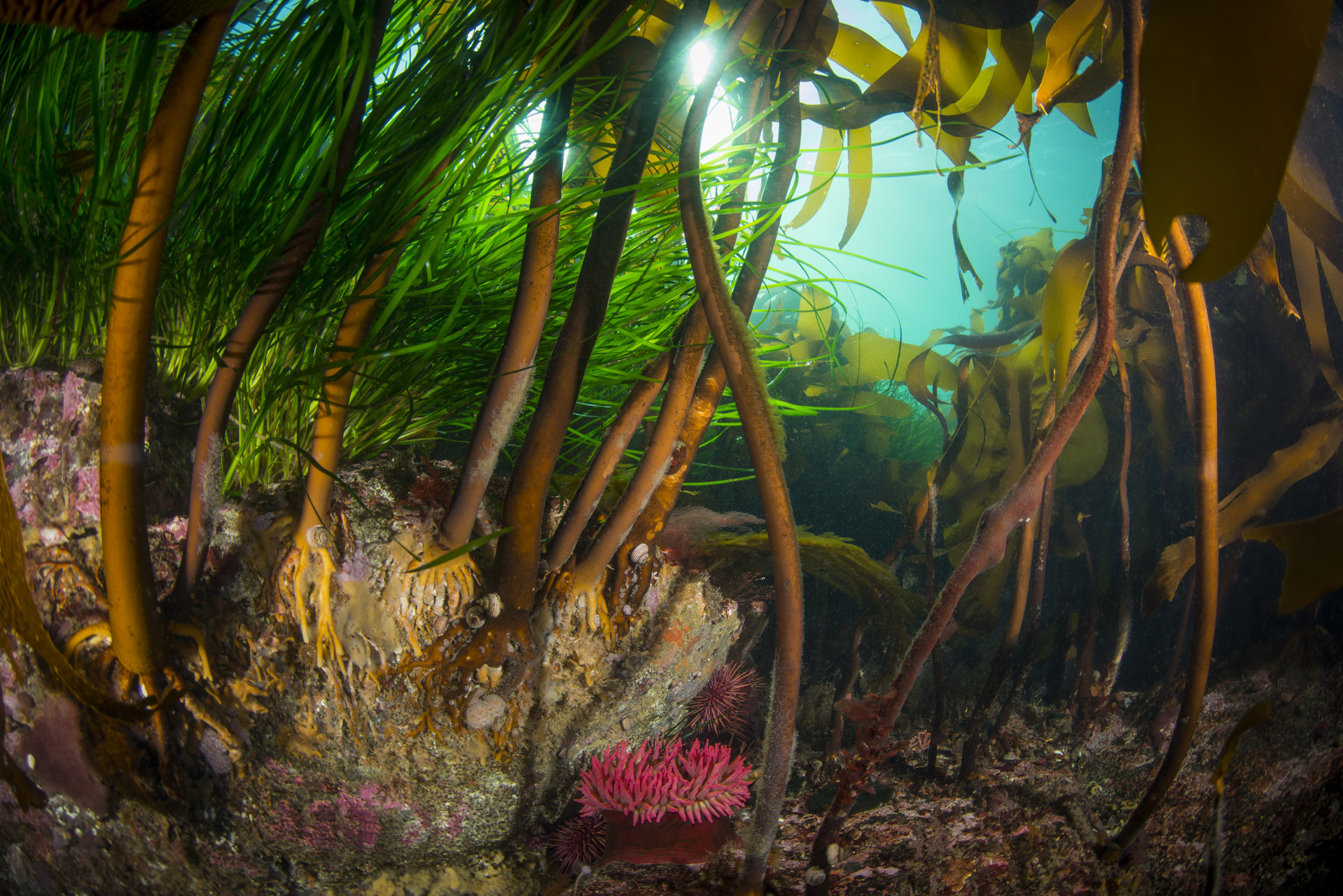
Nowhere is the opportunity to connect climate and nature more compelling than in our oceans.
The ocean helps regulate Earth’s climate, absorbing vast amounts of heat and storing enormous quantities of carbon. Coastal ecosystems such as tidal salt marshes and seagrass meadows are especially powerful. The carbon they sequester is known as “blue carbon,” which these ecosystems can sequester for centuries, while providing critical habitat for wildlife and protecting coastlines.
Canada has the world’s longest coastline and is uniquely positioned to lead in protecting and restoring blue carbon ecosystems. That means expanding marine conservation, strengthening protection for coastal and ocean habitats, investing in blue carbon science and better recognizing the contribution of ocean ecosystems to Canada’s climate commitments.
In May 2027, Canada will host the Our Ocean Conference in Halifax. It is an important chance to show that ocean conservation isn’t separate from climate action. It is an essential part of it.
Despite this disappointing COP, we cannot afford to delay action or bet on uncertain, expensive future technologies to make up for a lack of ambition today.
We know that protecting and restoring nature, including our oceans, is a major part of the solution to our climate crisis. When the world comes to Halifax next May, Canada should be ready to match that knowledge with the urgency, investment and policy leadership this moment demands — and that COP31 failed to meet.
The post The COP31 climate summit fell short, Canada can’t afford to do the same appeared first on WWF.CA.