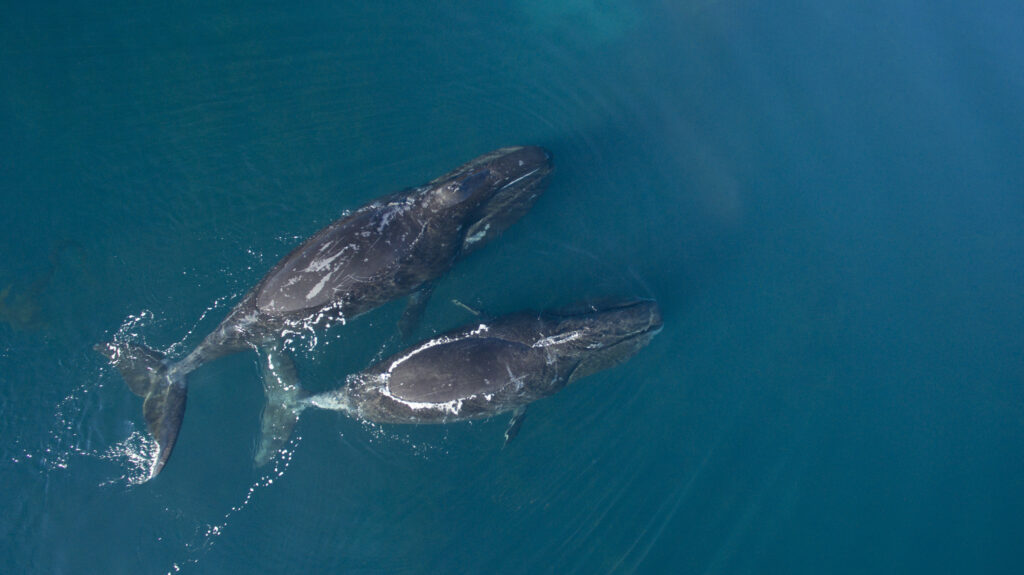
Up above Labrador lies an Arctic whale “superhighway” known as Hudson Strait. Connecting the North Atlantic Ocean to Foxe Basin, a body of water between Hudson Bay and Baffin Island, this strait is used as a migration corridor by narwhal, bowheads and belugas.
Mining company Baffinland would like to also use it to ship 18 million tonnes of iron ore from its planned Mary River expansion, a route WWF-Canada estimates will make these historically quiet and usually ice-covered waters 16 times louder by 2030.
Currently, the mine ships through Eclipse Sound, on the north coast of Baffin Island. It’s part of the Tallurutiup Imanga National Marine Conservation Area, Canada’s largest protected area and home to 60 per cent of the world’s narwhals as well as bowheads, belugas, walrus and polar bears.
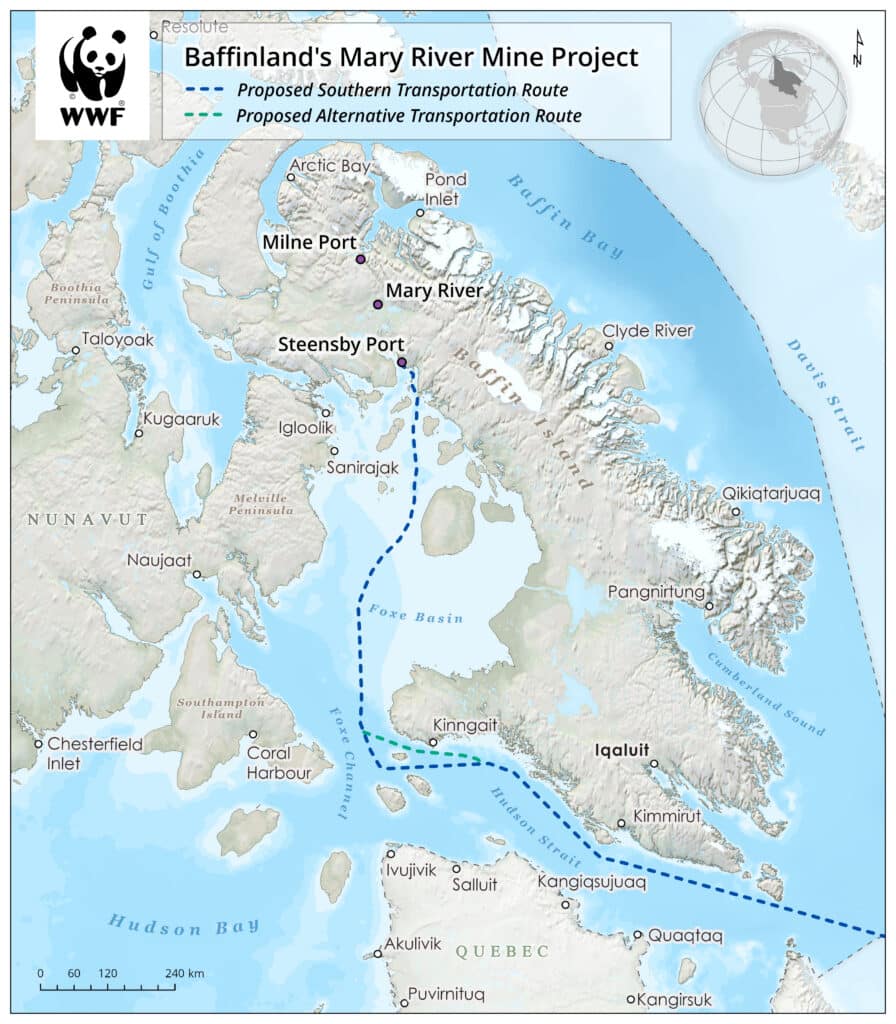
Baffinland’s expansion plan — which also includes constructing a 149-kilometre railway, the first in the Canadian Arctic, and a deep-water port — would increase ore shipments from 4.2 million tonnes to 18 million tonnes and bring year-round vessel traffic along a 1,610-kilometre route from Steensby Port through Foxe Basin and Hudson Strait.
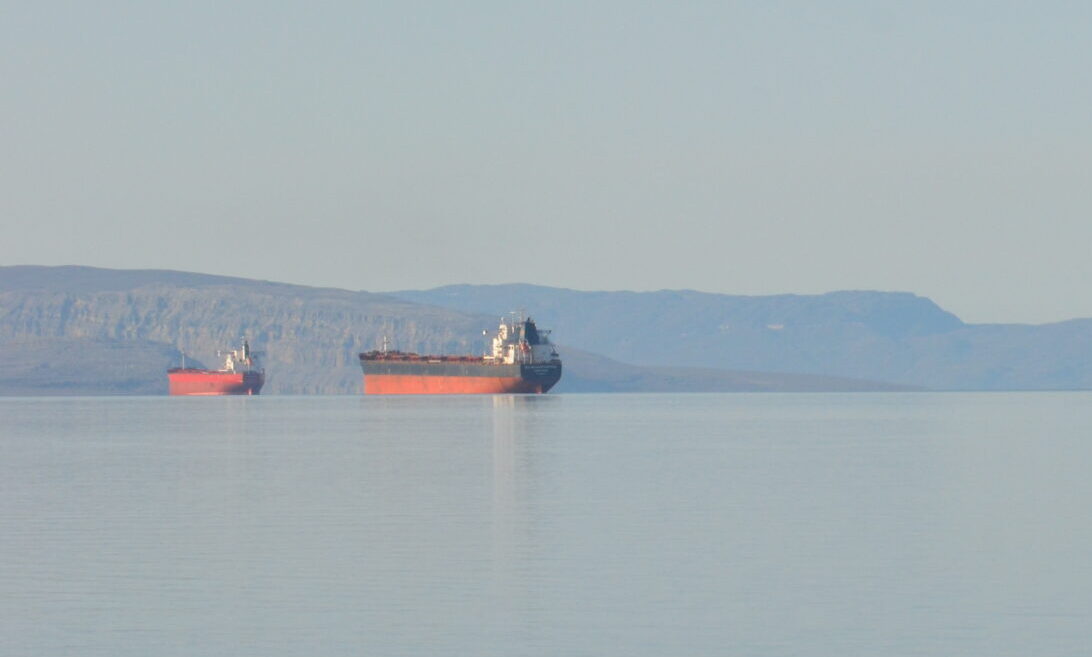
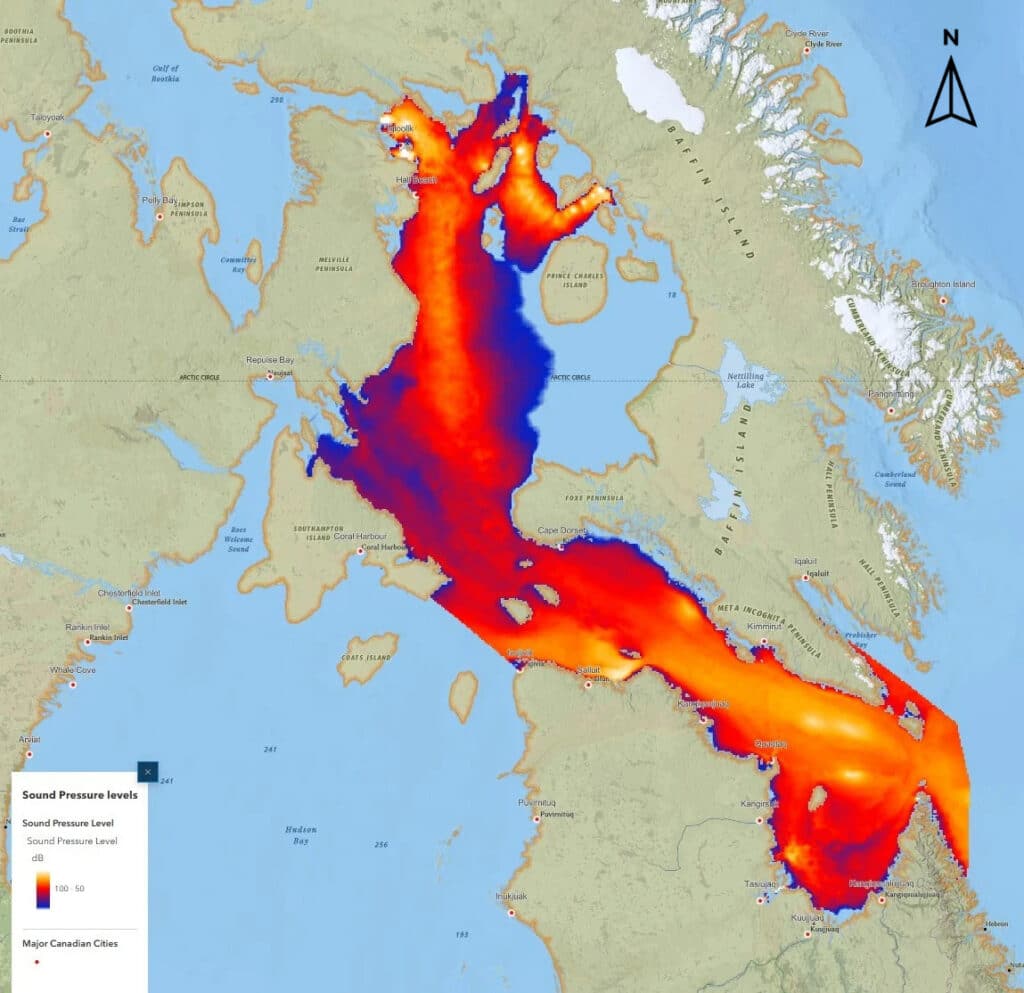
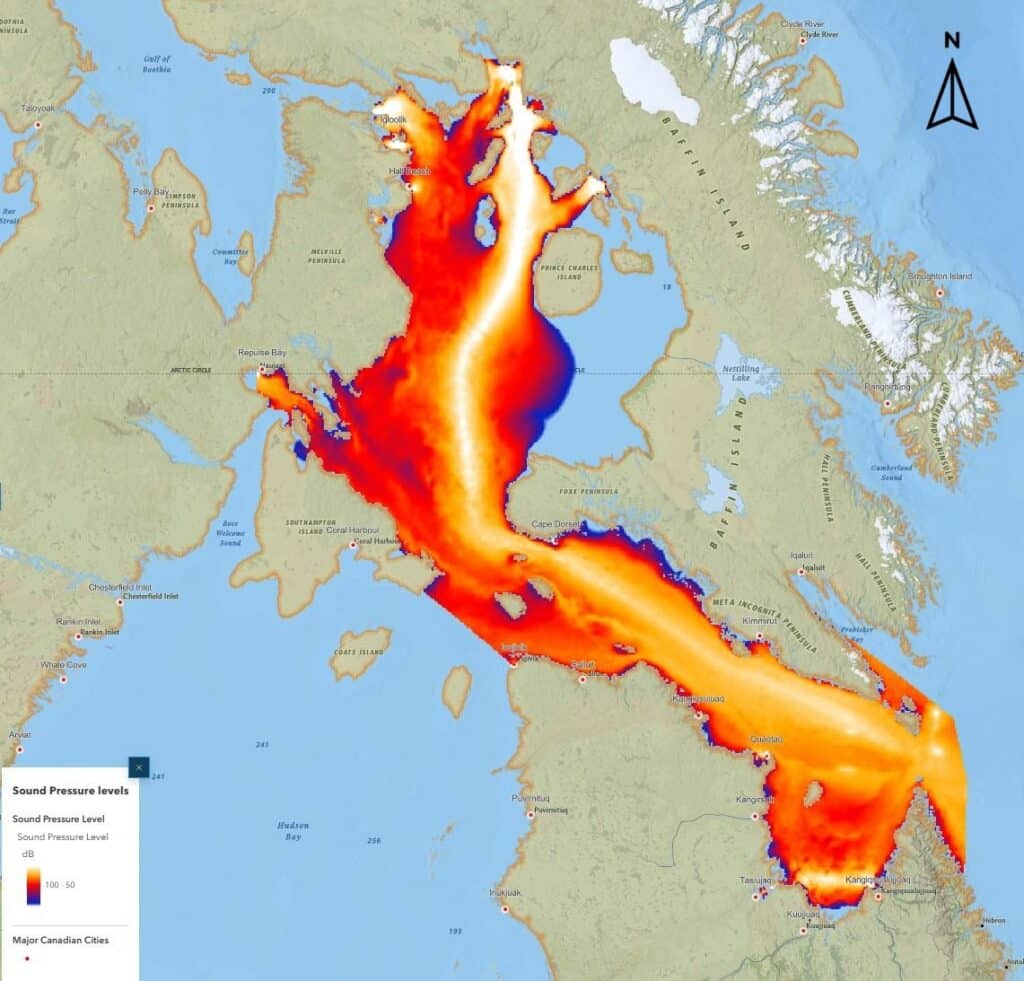
To find out how much louder these waters could become, WWF-Canada compared underwater noise levels from September 2019 to a September 2030 projection based on the proposed 200-plus annual ship transits.
In 2019, shipping activity was relatively low in Foxe Basin and moderate in Hudson Strait. Median underwater noise levels were around 60 decibels (dB) throughout the entire region and 64 dB along Baffinland’s proposed shipping route. An imperfect out-of-water analogy might liken those levels to about those of a normal conversation.
But if Steensby Port becomes fully operational, 2030 will sound very different. The analysis estimates that noise across Foxe Basin and Hudson Strait will increase by more than 8 dB, roughly a sevenfold increase in sound intensity. Think of that normal conversation now happening beside a busy street.
Along Baffinland’s proposed shipping route, median underwater noise levels are expected to increase by nearly 12 dB, equivalent to a 16-fold increase in intensity. That’s like trying to hold that conversation next to a busy freeway.
Marine species in this scenario would see a 75 per cent decrease in the area where they can effectively communicate, navigate and detect important sounds. In other words, much of their acoustic habitat would be lost.
And the concern isn’t just louder noise, but also fewer breaks from it. In 2019, ship noise in much of Foxe Basin exceeded natural sound levels less than 20 per cent of the time. By 2030, that would jump to 50 per cent of the time — and nearly all of the time in parts of Hudson Strait.
Exactly how these changes may affect individual species in Foxe Basin and Hudson Strait is the subject of ongoing research. In Eclipse Sound, where Baffinland currently operates, Inuit hunters have reported fewer narwhal, sea birds and Arctic char where they’d previously been seen for generations. The expansion would bring these same impacts to more Arctic waters, affecting more communities in the process.
Maps of sound pressure levels in Foxe Basin and Hudson Strait for September 2019 (top) and September 2030 (bottom), based on the 95th percentile. Dark blue represents 50 dB and white represents 105 dB. By 2030, vessel activity is projected to increase across the region, though unevenly. Shipping is expected to be most concentrated along Baffinland’s southern route to and from Steensby Port, forming a dense traffic corridor. Ore carriers servicing the Mary River Mine are anticipated to be the primary driver of increased traffic.
Much more than a shipping route
The waters of Foxe Basin and Hudson Strait mark one of the world’s most important Arctic marine ecosystems for narwhal, beluga, bowheads, ringed seals and walrus. For Inuit, who have travelled, harvested and lived here for hundreds of years, these marine mammals remain central to food sovereignty, cultural continuity and community well-being.
Concerned that Baffinland’s expansion will proceed under a 14-year-old approval in such a rapidly warming region, local hunters and trappers organizations have come together to call for a reassessment that considers new evidence, including climate change impacts cumulative effects of mining and mineral exploration, wildlife data from existing shipping routes, and the increasing focus of on Nunavut for national security and economic growth.
The importance of studying underwater noise impacts
Because sound travels so efficiently underwater (and even faster in colder waters), changes to the Arctic soundscape affect wildlife across vast distances, extending well beyond the immediate path of a ship. This latest analysis builds on previous vessel-noise research to enable decision-makers to consider the impacts on marine wildlife and Inuit communities.
As more demands for Arctic shipping are considered, as more ports are constructed and more loud ships are loaded up, the increasing calls for caution from the people who actually live there must not be drowned out.
Click here for more on the future of underwater noise in Foxe Basin and Hudson Strait.
The post Arctic mine expansion could make this whale ‘superhighway’ 16x louder appeared first on WWF.CA.